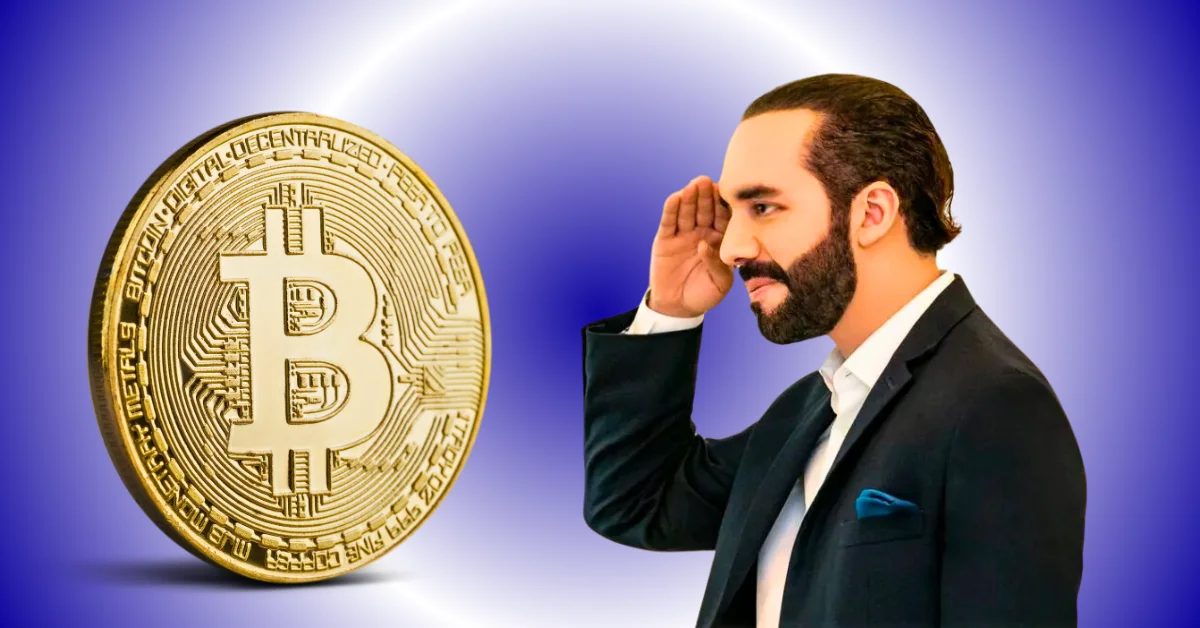
El Salvador’s Bitcoin strategy is heading into one of its biggest political tests yet. While the National Bitcoin Office continues quietly stacking roughly one BTC every day, the country’s opposition has officially lined up challengers for the February 2027 presidential election. Suddenly, the future of the government’s crypto policy is becoming part of the political debate.
Official figures from El Salvador’s Bitcoin Office show national holdings have climbed to around 7,725.37 BTC as of July 27, up from roughly 7,700 BTC a month earlier. It’s a steady reminder that President Nayib Bukele’s daily accumulation plan remains intact despite changing regulations.
Election Race Puts Bitcoin Under Spotlight
The political landscape is beginning to shift. The Nationalist Republican Alliance (ARENA) selected former lawmaker Maytee Iraheta, while the Farabundo Marti National Liberation Front (FMLN) nominated physician and union leader Rafael Aguirre for the 2027 presidential race. Both candidates have openly criticized Bukele’s Bitcoin strategy, describing it as a fiscal failure rather than an economic success.
Still, both face an incumbent president who has remained broadly popular after six years in office.

Bitcoin Policy Already Changed Once
Despite El Salvador’s reputation as the world’s Bitcoin pioneer, its policy has already evolved. Following the $1.4 billion IMF loan agreement in February 2025, the government removed the legal requirement for businesses to accept Bitcoin, effectively restoring the U.S. dollar as the country’s sole mandatory currency for everyday transactions.
Even so, the National Bitcoin Office never stopped purchasing Bitcoin. The government also increased its gold reserves in January. Meanwhile, the IMF has continued warning about fiscal and governance risks while stating the strategy has not significantly improved financial inclusion for unbanked citizens.
More recently, relations between the government and the IMF appeared constructive after the IMF’s First Deputy Managing Director publicly praised El Salvador’s economic achievements and said both sides were making solid progress on upcoming IMF program reviews.
Markets Watch Politics As Much As Charts
For crypto markets, politics often matters almost as much as fundamentals. Bukele has consistently supported Bitcoin accumulation, making his potential third term a positive sentiment driver for the broader market. That doesn’t necessarily imply dramatically larger government purchases, but investor confidence itself can influence demand.
On the other hand, a victory for opposition candidates could create a different market narrative given their criticism of the country’s Bitcoin policy.
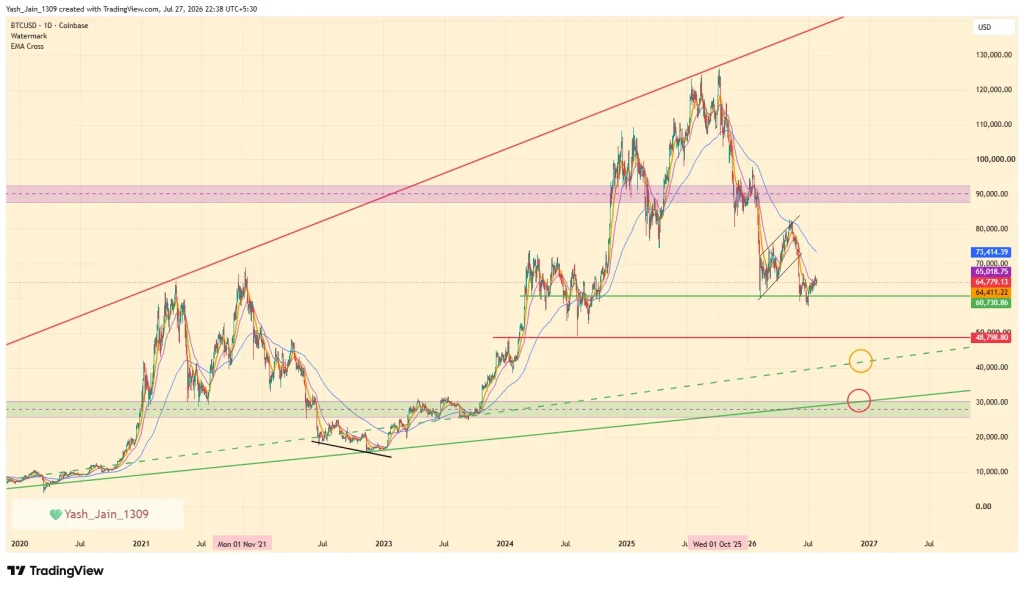
From a technical perspective, Bitcoin is trading below its 200-day EMA during the final week of July. The $60,730 level remains an important support zone. If that level holds, price could target $73,696 in August. However, losing that support could expose Bitcoin price to a decline toward $48,798, making El Salvador’s Bitcoin strategy an increasingly watched political and market storyline.
Was this writing helpful?
Story Ends Here
Trust with CoinPedia:
Investment Disclaimer:
All opinions and insights shared represent the author’s own views on current market conditions. Please do your own research before making investment decisions. Neither the writer nor the publication assumes responsibility for your financial choices.
Sponsored and Advertisements:
Sponsored content and affiliate links may appear on our site. Advertisements are marked clearly, and our editorial content remains entirely independent from our ad partners.
Read the Next News