In 2021, EasyJet shares were trading at 820 pence (approximately $10.99 U.S.). The pandemic had hurt the airline badly, but investors still believed in the recovery.
Five years later, the Iran conflict drove fuel costs through the roof, the airline racked up a £552 million loss in the first half of its financial year, and the stock had cratered to 398 pence (about $5.22).
Nobody was talking about a recovery anymore — except Castlelake. The Minneapolis-based investment firm quietly started buying EasyJet shares before disclosing its interest publicly on May 29.
The board rejected that first approach, called it “highly opportunistic,” and moved on. Castlelake did not. It came back four more times, each time with a higher number, until on July 6, the board ran out of reasons to say no.
EasyJet stock soars on Castlelake $7.3 billion takeover bid
The offer on the table is £6.90 per share, valuing EasyJet at £5.5 billion, or $7.3 billion. It is 73% above where the stock was sitting when Castlelake went public with its interest on May 29, according to Reuters.
The previous offer, £6.50 per share, was rejected. This one was not.
EasyJet’s board said on July 6 it “would be minded to recommend” the deal to shareholders. Shares jumped 10.5% when London markets opened on July 7, hitting a 52-week high. But the stock settled around 614 pence, 76 pence below the bid price.
Investors are happy about the offer. They are not fully convinced it closes.
“There’s still some doubts over ownership structure and regulatory approval, particularly with this deal potentially getting political attention with EasyJet being a well-known U.K. company,” Bloomberg Intelligence analyst Conroy Gaynor said, Fortune noted.
Castlelake has a hard deadline. Under U.K. Takeover Code rules, it must formalize its offer or walk away by Aug. 3 at 5 p.m. London time.
Why Castlelake is willing to pay for a money-losing airline
Castlelake is not a carrier. It is an asset manager that has spent more than two decades financing aircraft and lending to airlines. Since 2005, it has deployed more than $24 billion into aviation and built financing relationships with more than 200 airlines globally, Advance reported.
When SAS restructured and needed a buyer, Castlelake took a stake, then sold it to Air France-KLM.
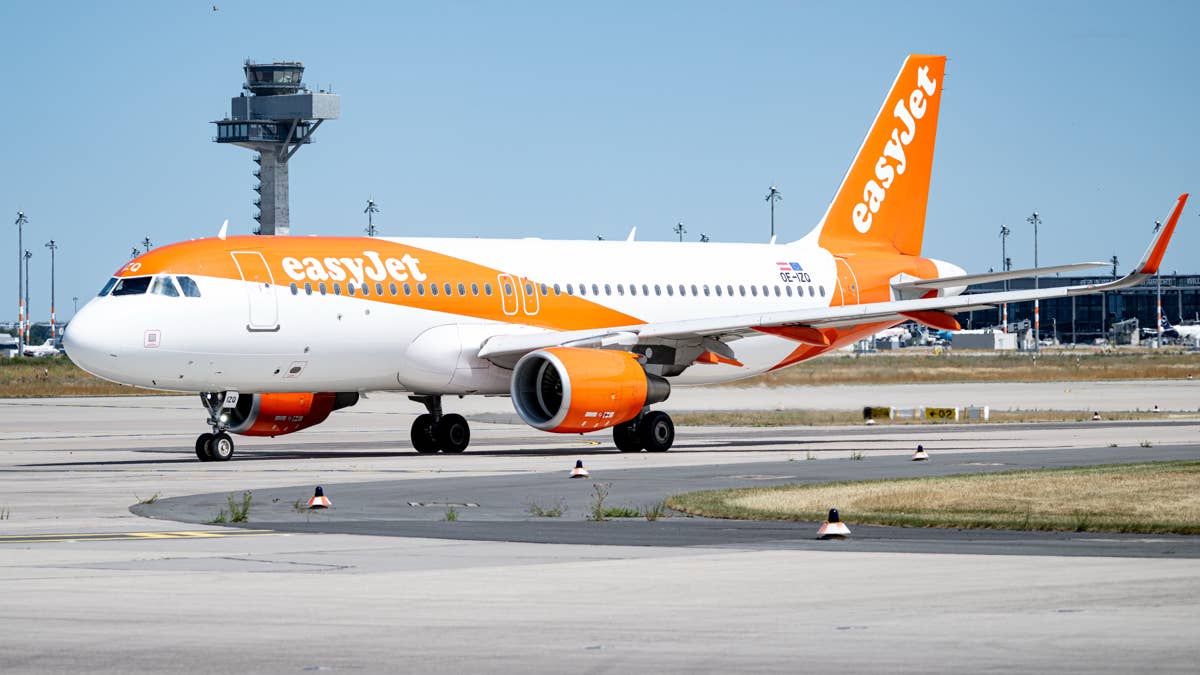
EasyJet has something Castlelake knows how to value: assets. The airline owns more than 300 Airbus A320-family jets, holds takeoff and landing slots at major airports across 38 European countries, and has delivery positions locked in for newer, more fuel-efficient planes.
Barclays put the break-up value of those assets above £8 billion, well above the £5.5 billion Castlelake is paying.
More Airlines:
- Another low-cost airline leaves 6 cities, refunds available
- Delta Air Lines cuts two flights forever, refunds available
- Spirit Airlines won’t be coming back, and that costs flyers money
Shareholders held out through four rejected bids partly because of that gap. Whether Castlelake plans to run EasyJet as an airline or extract value from what it owns is the question the aviation industry keeps asking.
On July 6, the firm said in a joint statement it supports EasyJet’s fleet modernization program, which it regards as central to the Company’s long-term competitiveness, efficiency and sustainability objectives, Meet Inc. confirmed.
EasyJet’s revenue for the six months ending March 2026 came in at nearly £4 billion, with passenger load factors around 90%.
Flights are full. The losses are coming from fuel and operating costs, not from a demand problem, which is a different kind of challenge for a new owner to solve.
The EU ownership rule that could still kill this EasyJet deal
EU law requires airlines operating within the bloc to be majority-owned and effectively controlled by EU citizens. Castlelake is American, which means any structure it builds for this acquisition has to get around that rule convincingly enough to satisfy regulators.
Its proposed solution: Cap its own stake in the acquisition vehicle at 49% and hand the remaining 51% to two EU nationals.
Peter Bellew, a former Malaysia Airlines CEO who spent three years as EasyJet’s chief operating officer between 2019 and 2022, would be one. Mark Breen, a senior aviation executive, would be the other. Regulators have not yet said whether they consider that genuine EU control.
Separate from the regulatory question is Sir Stelios Haji-Ioannou. He founded EasyJet in 1995, left the board in 2010, and still owns roughly 15% of the airline with his family. He also collects a 0.25% royalty on EasyJet’s revenue for licensing the “easy” brand.
Haji-Ioannou’s history of public disagreements with the airline’s management goes back years. He has not said publicly whether he supports this deal, and at 15% of the shares, his position will matter when shareholders vote.
Sommer/Getty Images
What EasyJet takeover means for European airline stocks and investors
London’s M&A market is running hot in 2026.
Britain is on pace to set a record for deal volume this year, U.S. News reported, with weaker valuations on the London Stock Exchange drawing foreign buyers into sectors they had previously ignored. EasyJet fits the pattern: a recognizable brand, depressed share price, and underlying assets a financial buyer sees differently than public market investors did.
For investors in Ryanair, Wizz Air, and other European carriers, the 73% premium Castlelake is paying for EasyJet raises an uncomfortable question about how the sector has been valued.
If EasyJet was worth that much more than its market price suggested, the same logic could apply elsewhere.
What investors should watch as Aug. 3 deadline approaches
The 76-pence gap between EasyJet’s share price and the £6.90 bid price will move based on three things between now and Aug. 3.
EasyJet’s board said no four times before saying yes. Castlelake kept going.
Aug. 3 is when we find out whether that persistence was worth it.